
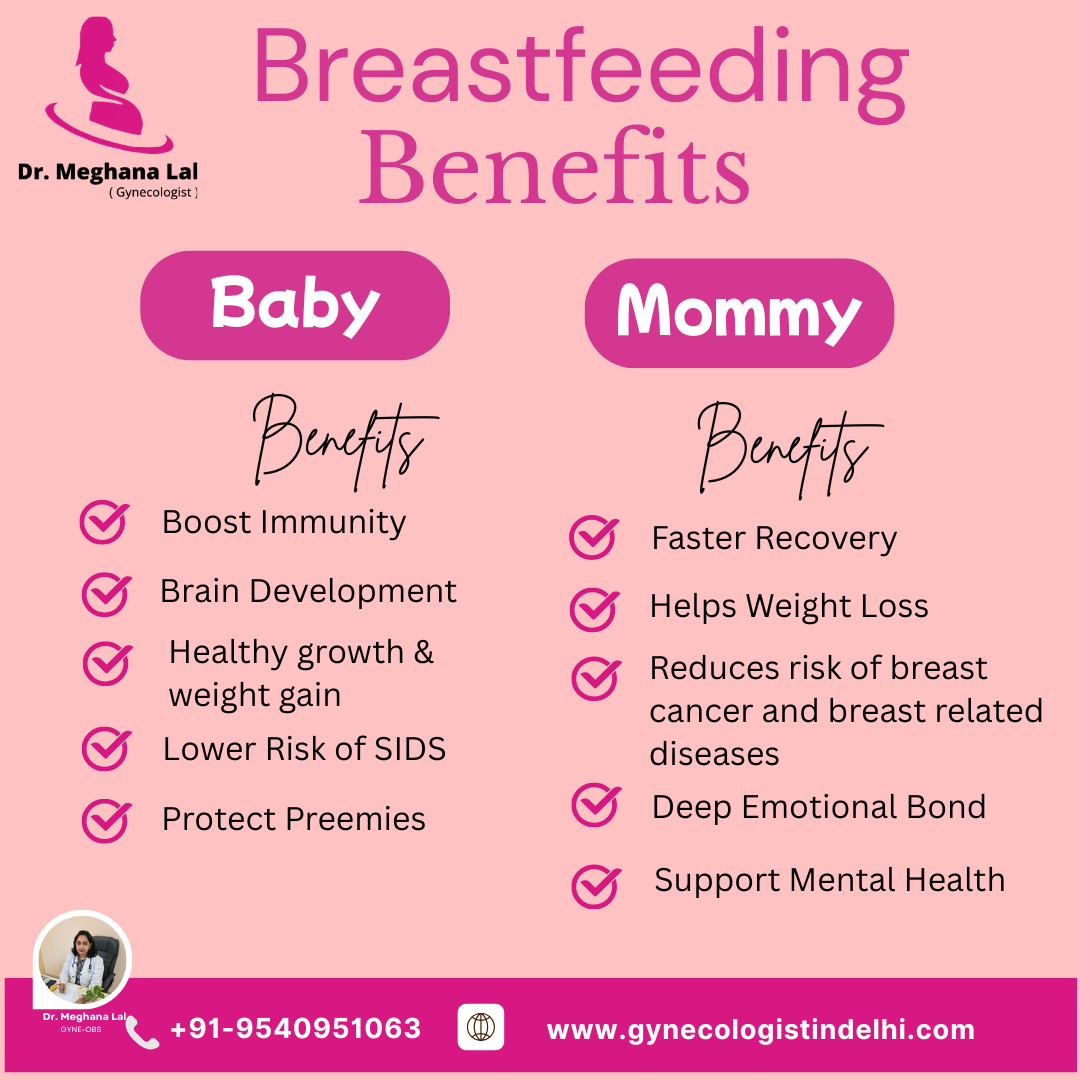
Breastfeeding Benefits to Newborn: A Complete Guide for New Parents
Bringing a newborn into the world is a life-changing experience, and one of the most important decisions parents make early on is how to nourish their baby. Breastfeeding is widely recognized as the optimal source of nutrition for newborns, offering a powerful combination of health benefits, emotional bonding, and long-term developmental support.
This guide explores the key benefits of breastfeeding for newborns and why it is often recommended by healthcare professionals worldwide.
1. Perfect Nutrition for Growth and Development
Breast milk is uniquely designed to meet a newborn’s nutritional needs. It contains the ideal balance of proteins, fats, vitamins, and carbohydrates that are essential for growth.
- Easily digestible compared to formula
- Adjusts composition as the baby grows
- Provides essential fatty acids for brain development
Colostrum, the first milk produced after birth, is especially rich in nutrients and antibodies, acting as a natural “first vaccine” for the baby.
2. Stronger Immune System
One of the biggest advantages of breastfeeding is immune protection. Breast milk is packed with antibodies, white blood cells, and bioactive compounds that help defend newborns against infections.
-
Reduces risk of respiratory infections
-
Protects against diarrhea and gastrointestinal issues
-
Lowers chances of ear infections
Breastfed babies often experience fewer illnesses during their early months compared to formula-fed infants.
3. Enhanced Brain Development
Breast milk contains important nutrients like DHA (docosahexaenoic acid), which plays a crucial role in brain and eye development.
Studies suggest that breastfed babies may have:
- Improved cognitive development
- Better memory and learning abilities later in life
The act of breastfeeding itself also supports sensory and neurological development.
4. Emotional Bonding and Comfort
Breastfeeding creates a strong emotional connection between mother and baby. Skin-to-skin contact during feeding promotes feelings of security and warmth.
- Helps the baby feel safe and calm
- Supports emotional development
- Builds trust and attachment
This bonding can have long-term positive effects on a child’s emotional well-being.
5. Lower Risk of Chronic Conditions
Breastfeeding has been linked to reduced risk of several long-term health conditions.
- Decreases chances of obesity
- Lowers risk of type 2 diabetes
- May reduce likelihood of allergies and asthma
These protective effects can extend into childhood and even adulthood.
6. Better Digestive Health
Breast milk is gentle on a newborn’s immature digestive system.
- Promotes healthy gut bacteria
- Reduces constipation and colic
- Minimizes feeding-related discomfort
This makes breastfeeding especially beneficial during the early months when digestion is still developing.
7. Protection Against Sudden Infant Death Syndrome (SIDS)
Research indicates that breastfeeding can lower the risk of Sudden Infant Death Syndrome (SIDS).
- Longer breastfeeding duration is associated with greater protection
- Supports healthier sleep patterns
8. Always Safe and Ready
Unlike formula, breast milk is always available at the right temperature and free from contamination when proper hygiene is maintained.
- No preparation required
- Always fresh and sterile
- Convenient for night feedings
Final Thoughts
Breastfeeding offers unmatched benefits for newborns, supporting their physical health, emotional well-being, and overall development. While every parent’s situation is unique, and feeding choices should always be respected, understanding the advantages of breastfeeding can help in making informed decisions.
If possible, even partial breastfeeding can provide meaningful benefits to your baby. Consulting a healthcare provider or lactation expert can also help address challenges and ensure a positive feeding experience.
Remember: A well-nourished, loved, and cared-for baby is what matters most—whether through breastfeeding, formula feeding, or a combination of both.