
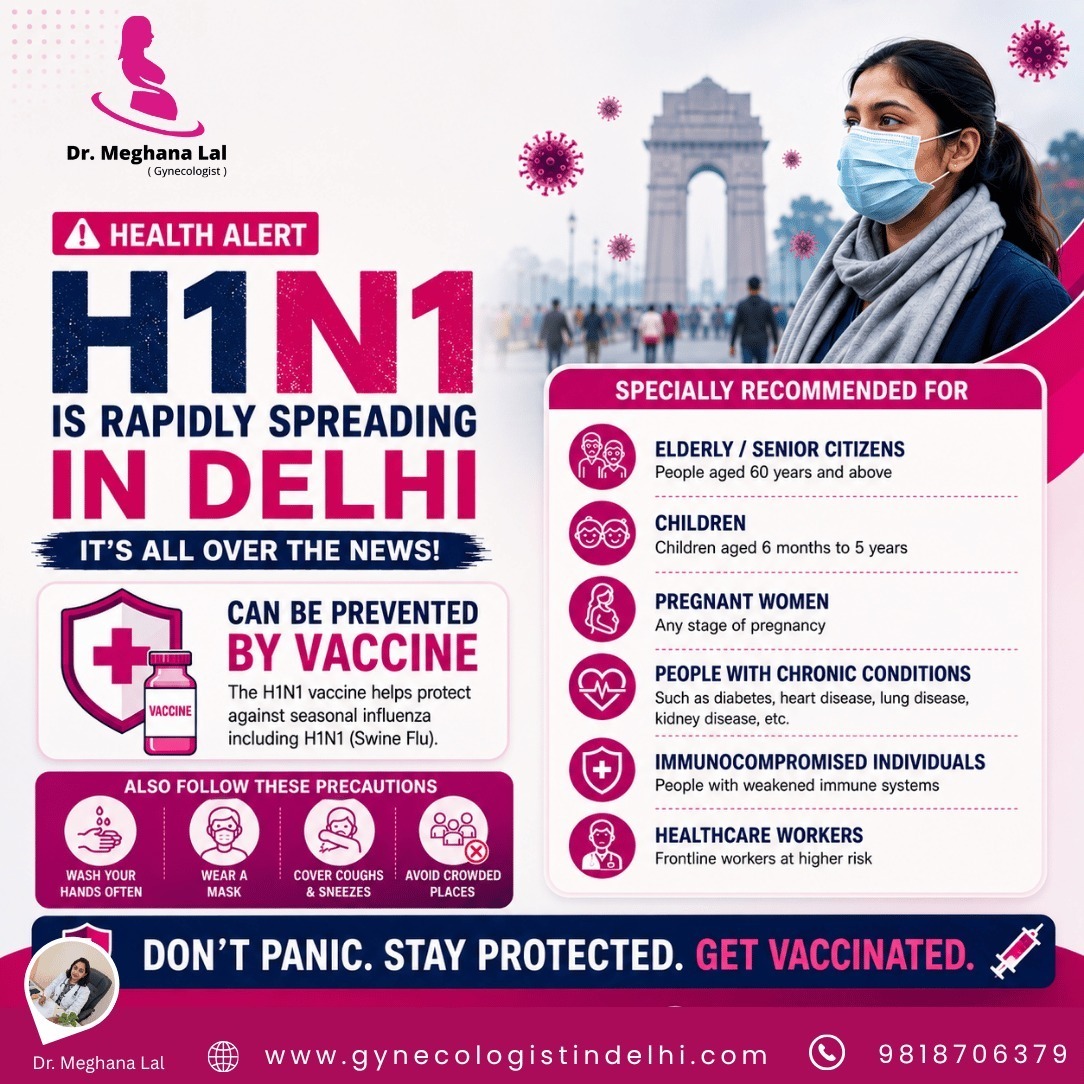
H1N1 Influenza in Delhi: Symptoms, Prevention, Vaccination and Precautions
H1N1 influenza, commonly known as swine flu, is a type of influenza A virus that can cause respiratory illness in people of all ages. Seasonal influenza viruses, including H1N1, can spread through respiratory droplets and aerosols when an infected person coughs, sneezes, talks, or breathes. Understanding the symptoms, preventive measures, and available vaccination options can help you protect yourself and your family.
If you or a family member develops flu-like symptoms, it is important to recognise the warning signs and seek medical advice when necessary.
What Is H1N1 Influenza?
H1N1 is a subtype of the influenza A virus. It was responsible for the 2009 influenza pandemic and continues to circulate as one of the seasonal influenza viruses.
H1N1 infection can cause mild to severe respiratory illness. While many people recover with appropriate care, certain individuals are at a higher risk of developing complications, including pneumonia and worsening of existing medical conditions.
Important: Reports of flu cases or circulating influenza viruses do not automatically indicate an outbreak. Follow current public health advisories for Delhi and consult a healthcare professional for reliable, up-to-date information.
Common Symptoms of H1N1 Influenza
Symptoms may begin suddenly and can resemble those of other respiratory infections.
Common symptoms include:
-
Fever or chills
-
Cough and sore throat
-
Runny or blocked nose
-
Headache
-
Muscle and body aches
-
Fatigue and weakness
-
Occasionally, vomiting or diarrhoea, particularly in children
Not everyone with influenza develops a fever. Symptoms alone cannot reliably distinguish H1N1 from other respiratory infections, so medical assessment may be necessary.
When Should You Seek Medical Attention?
Seek urgent medical care if you experience difficulty breathing, chest pain, confusion, severe weakness, dehydration, or symptoms that improve and then return with worsening fever or cough.
Pregnant women, young children, older adults, and people with chronic illnesses should seek medical advice promptly if influenza is suspected, as early assessment can be particularly important for these groups.
Who Is at Higher Risk of Flu Complications?
Although anyone can develop influenza complications, some groups require extra precautions.
1. Pregnant Women
Pregnancy can increase the risk of severe influenza complications. Pregnant women should discuss seasonal influenza vaccination with their obstetrician and seek medical advice promptly if flu symptoms develop.
2. Children
Young children, especially those under five years of age and particularly those under two, are at increased risk of influenza complications. Parents should monitor symptoms carefully and consult a paediatrician when needed.
3. Older Adults
Adults aged 65 and above have a greater risk of severe illness from influenza. Vaccination and timely medical assessment can help reduce the risk of complications.
4. People With Chronic Medical Conditions
Individuals with diabetes, heart disease, lung disease, kidney disease, or other chronic conditions may be more vulnerable to severe influenza.
5. Immunocompromised Individuals
People with weakened immune systems may experience more severe or prolonged illness and should follow their healthcare provider's recommendations.
6. Healthcare Workers
Healthcare professionals may have increased exposure to respiratory infections. Appropriate vaccination, hand hygiene, and workplace infection-control measures are important for their protection and the safety of patients.
Can H1N1 Be Prevented With Vaccination?
Yes, seasonal influenza vaccination can help protect against influenza viruses, including H1N1 strains covered by the vaccine.
The influenza vaccine is updated periodically to reflect circulating viruses. Its effectiveness varies by season and other factors, but vaccination can reduce the risk of influenza illness and help lower the likelihood of severe outcomes.
The following points are important:
-
Discuss the appropriate influenza vaccine with your healthcare provider.
-
Pregnant women can generally receive an age-appropriate inactivated influenza vaccine when recommended.
-
Children may require one or two doses depending on their age and vaccination history.
-
Older adults and people with chronic medical conditions should discuss their vaccination needs with a doctor.
-
Annual vaccination is generally recommended for eligible individuals because protection changes over time and circulating strains can change.
Influenza vaccination does not provide complete protection against every respiratory infection. Continue following hygiene and other preventive measures even after vaccination.
7 Simple Precautions to Reduce the Risk of H1N1
You can take practical steps to reduce the spread of influenza at home, at work, and in public places.
1. Wash Your Hands Regularly
Wash your hands with soap and water, particularly before eating and after coughing, sneezing, or using public facilities. Use an alcohol-based hand sanitiser when soap and water are unavailable.
2. Wear a Mask When Appropriate
Consider wearing a well-fitting mask in crowded indoor environments or when respiratory infections are circulating widely. A mask can also help reduce the spread of infection when you are unwell.
3. Cover Coughs and Sneezes
Use a tissue or your elbow to cover your mouth and nose when coughing or sneezing. Dispose of used tissues safely and clean your hands afterwards.
4. Avoid Close Contact When Sick
Stay home when you have flu-like symptoms, where possible, and avoid close contact with vulnerable family members. Follow medical and public health advice about returning to work, school, or other activities.
5. Improve Indoor Ventilation
Open windows when practical, improve air circulation, and avoid poorly ventilated crowded spaces during periods of increased respiratory illness.
6. Clean Frequently Touched Surfaces
Regularly clean commonly touched surfaces, particularly when someone at home is sick.
7. Seek Medical Advice Early
Do not ignore severe, persistent, or worsening symptoms. Early medical assessment is particularly important for pregnant women, young children, older adults, and people with chronic medical conditions.
H1N1 During Pregnancy: What Should Women Know?
Pregnancy is an important time to take extra care of respiratory health. Influenza can cause more serious illness during pregnancy, making prevention and timely medical advice especially important.
Pregnant women should:
-
Discuss seasonal influenza vaccination with their gynaecologist.
-
Avoid close contact with people who have flu-like symptoms.
-
Maintain regular hand hygiene and practise respiratory etiquette.
-
Contact their doctor promptly if they develop fever, cough, body aches, or other influenza-like symptoms.
-
Seek urgent care if they experience breathing difficulty, chest pain, confusion, or other serious symptoms.
If influenza is suspected during pregnancy, a doctor may recommend antiviral treatment. Such treatment is most beneficial when started early, and medical assessment should not be delayed while waiting for test results if treatment is indicated.
Never start antiviral medication or antibiotics without medical advice. Antibiotics do not treat influenza viruses.
How Is H1N1 Diagnosed and Treated?
A healthcare professional may assess your symptoms, medical history, and risk factors. Laboratory testing, including molecular tests when appropriate, can help identify influenza.
Treatment depends on the severity of illness and the patient's individual risk factors. Many mild cases can be managed with rest, adequate fluids, and symptom relief recommended by a healthcare professional.
Antiviral medicines may be prescribed for people with severe or progressive illness and those at higher risk of complications. They work best when started early, although treatment may still be appropriate later in certain cases.
Seek medical advice rather than relying solely on home remedies or over-the-counter medicines.
Frequently Asked Questions About H1N1
1. Is H1N1 the same as swine flu?
H1N1 is the influenza A subtype commonly associated with the term swine flu. Today, H1N1 viruses also circulate as seasonal human influenza viruses.
2. Can H1N1 spread from person to person?
Yes. It can spread through respiratory particles released by an infected person, especially during close contact and in crowded or poorly ventilated indoor spaces.
3. Does the flu vaccine protect against H1N1?
Seasonal influenza vaccines are designed to protect against selected circulating influenza strains, which generally include an H1N1 component. Protection varies and is not guaranteed.
4. Should pregnant women get an influenza vaccine?
Influenza vaccination is generally recommended during pregnancy, subject to individual medical assessment and vaccine suitability. Consult your gynaecologist for guidance.
5. When should I consult a doctor?
Seek medical advice for suspected influenza if you are pregnant, have a chronic medical condition, are caring for a young child or older adult, or experience worsening symptoms. Breathing difficulty, chest pain, confusion, and severe dehydration require urgent care.
Protect Your Health With Timely Medical Advice
H1N1 influenza is a preventable and manageable respiratory infection in many cases, but it can become serious for people at higher risk. Staying informed, maintaining good hygiene, considering annual influenza vaccination, and seeking timely medical attention are important steps towards protecting yourself and your family.
If you are pregnant or planning a pregnancy and have questions about influenza prevention or vaccination, consult your gynaecologist for advice suited to your health and circumstances.
Dr. Meghana Lal – Gynaecologist, Delhi
For consultations and guidance on women's health, pregnancy care, and preventive healthcare, visit www.gynecologistindelhi.com or contact 9818706379.
Medical disclaimer: This article is intended for general health education and does not replace professional medical advice, diagnosis, or treatment. Follow current public health guidance and consult a qualified healthcare professional for individual recommendations.