
HPV Vaccine: A Powerful Shield Against Cancer
Introduction
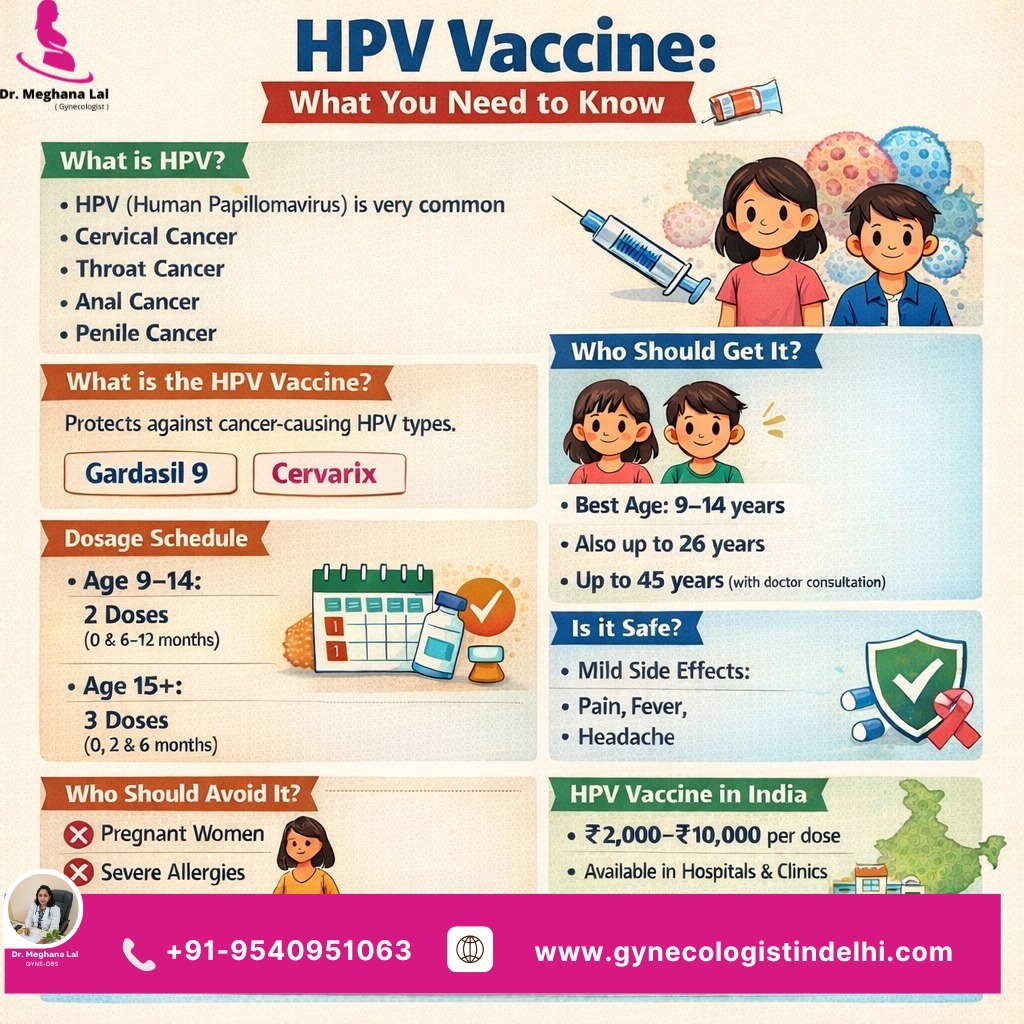
The Human Papillomavirus (HPV) is one of the most common viral infections worldwide, affecting both men and women. While many HPV infections go away on their own, some high-risk types can lead to serious health problems, including cervical cancer, throat cancer, anal cancer, and genital warts. The HPV vaccine is a safe and effective way to protect against these risks and plays a crucial role in preventive healthcare.
What is HPV?
HPV is a group of more than 100 related viruses, with at least 14 types known to cause cancer. It spreads mainly through skin-to-skin contact during sexual activity. Most people will get HPV at some point in their lives without even knowing it, as it often shows no symptoms.
However, persistent infection with high-risk HPV types can lead to cancer over time, especially cervical cancer in women.
What is the HPV Vaccine?
The HPV vaccine is designed to protect against the most dangerous strains of the virus. It works by stimulating the body’s immune system to produce antibodies, which prevent HPV infection in the future.
Currently available vaccines protect against:
- HPV types that cause 70–90% of cervical cancers
- HPV types responsible for genital warts
Who Should Get the HPV Vaccine?
The vaccine is most effective when given before exposure to HPV, which is why it is recommended at a young age.
Recommended groups:
- Girls and boys aged 9–14 years (ideal age)
- Individuals up to 26 years if not vaccinated earlier
- In some cases, adults aged 27–45 years may also benefit (after medical consultation)
Dosage Schedule
The number of doses depends on age:
- Ages 9–14: 2 doses (6–12 months apart)
- Ages 15 and above: 3 doses (over 6 months)
Benefits of the HPV Vaccine
1. Cancer Prevention
The biggest advantage is protection against cervical cancer and other HPV-related cancers.
2. Reduction in Genital Warts
It significantly lowers the risk of developing genital warts.
3. Herd Immunity
Widespread vaccination reduces the overall spread of HPV in the population.
4. Long-lasting Protection
Studies show the vaccine provides long-term immunity.
Safety and Side Effects
The HPV vaccine has been extensively studied and is considered very safe.
Common side effects:
- Mild pain or swelling at the injection site
- Fever
- Headache or fatigue
Serious side effects are extremely rare.
HPV Vaccine in India
In India, awareness about HPV vaccination is increasing, especially with government and private healthcare initiatives. The vaccine is available in hospitals and clinics and is gradually being included in public health programs.
Common Myths vs Facts
Myth: The vaccine promotes early sexual activity
Fact: It is purely preventive and has no link to behavior
Myth: Only women need it
Fact: Men also benefit, as HPV affects both genders
Myth: It’s not necessary if you are healthy
Fact: HPV infection can occur without symptoms, making vaccination crucial
Conclusion
The HPV vaccine is one of the most effective tools in preventing certain types of cancer. Getting vaccinated early can provide lifelong protection and significantly reduce the global burden of HPV-related diseases. It’s not just a personal health decision—it’s a step toward a healthier society.